

The temperature for a day depends on a few things. Is it windy? Are there clouds? What season is it? As your part of the world circles the sun, the temperature will change. Get your… More →

Premium Educational Books For Curious Young Readers


The temperature for a day depends on a few things. Is it windy? Are there clouds? What season is it? As your part of the world circles the sun, the temperature will change. Get your… More →

Tour one of nature's busiest neighborhoods! Ants create huge underground nests to serve the needs of their colonies. A complex system of tunnels and chambers, a colony may be home to as many… More →

The atmosphere is what makes life on Earth possible. Explore more about this important piece of our planet with content tied to the curriculum of upper-elementary and middle school students… More →

Explore the remarkable homes built by animal architects! Beavers create complex structures to meet their needs, just like people do. Each beaver family builds a dam in a river or creek in… More →

Longer than three city buses and as heavy as a family of elephants, meet the gigantic sauropods and titanosaurs--the biggest animals that ever lived! Each title in this new series digs deep… More →

The Hubble Space Telescope is a lens for discovering the hidden secrets of outer space. The tool has zoomed in on unknown galaxies! This book gives young readers a close-up of the Hubble… More →
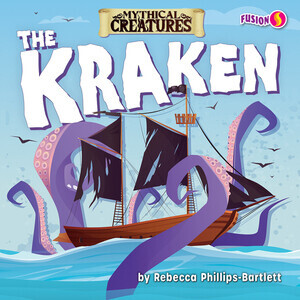
From deadly tentacles to a sharp beak, the kraken is a magical creature of myth. But where did this fearsome beast come from? Explore the truth behind the tales and learn what it would take… More →

Bees begin their life cycle as eggs in honeycomb cells. Every day, a queen bee can lay as many as 2,000 eggs. Young readers will study a bee's growth from egg to grub to pupa to adult. More →

A female butterfly lays eggs on a leaf to begin the butterfly life cycle. The eggs hatch into caterpillars, and caterpillars form chrysalises to change into butterflies. Students will follow… More →

The life cycle of a frog takes place in water and on land. It begins in spring with a male frog croaking a song to attract a female. Young readers will read about and watch an egg develop… More →

Ladybugs spend part of their life cycle as larva. Every day a ladybug larva eats about 30 tiny green insects called aphids. Young children will watch a ladybug go from egg to adult. More →

Penguins must complete their life cycle in very cold temperatures. To protect their eggs from the cold, penguins use brood patches. Students will watch a penguin chick hatch from an egg and… More →